Has Whitney Thore “Betrayed” Body Positivity? Fans Reopen the Fandom’s Oldest War After Her Weight-Loss Meds Admission
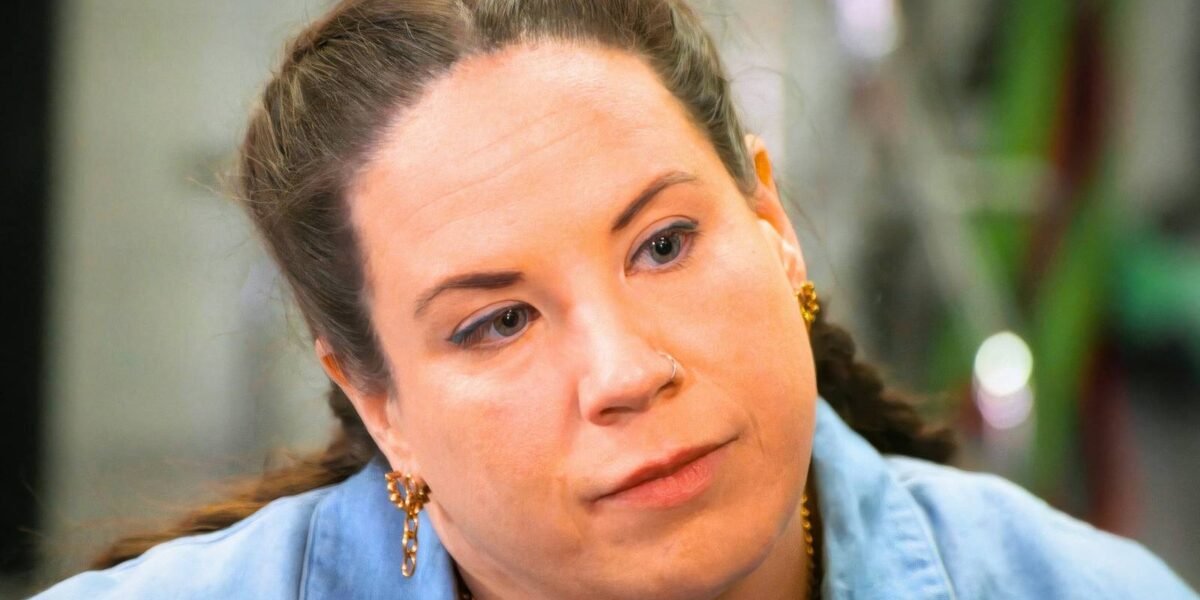
Whitney Way Thore has faced down critics for a decade. But the fiercest fight of her career may be the one raging inside her own fandom right now. After admitting in the Season 14 trailer that she’s taking a weight-loss medication, the My Big Fat Fabulous Life star has reignited the question fans have been screaming at each other about for years: is she still a body-positive icon — or did she betray the movement that made her famous?
Season 14 premieres Tuesday, November 10 at 10 p.m. ET/PT on TLC. But the verdict on Whitney’s legacy won’t wait for it.
The Accusation: “She Built Her Brand on Fat Pride — Then Chased Thin”
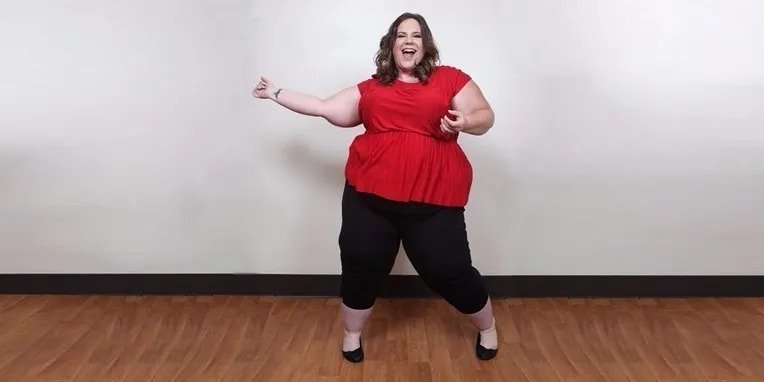
Team Betrayed says it has the receipts. They point to 2014, when Whitney’s “A Fat Girl Dancing” video made her an overnight viral sensation and the most famous face of the body-positivity movement on television. She built No BS Active, her fitness platform for women of all sizes, and spent years telling fans their worth had nothing to do with the scale.
Then came the visible transformation — reportedly around 100 pounds lost — and years of comment-section interrogations. Whitney repeatedly pushed back. So when the Season 14 trailer dropped and she said, “I am taking a weight-loss medication. My doctor said it would be helpful for me in terms of getting pregnant,” critics heard the confession they say they were owed all along: that the body-positivity era was, to them, a brand rather than a belief.
The Defense: Body Positivity Was Never About the Scale

Team Still An Icon fires back with the actual definition of the movement. Body positivity, they argue, was never a vow to stay fat — it was always about autonomy: the right of every person to make their own choices about their own body without being shamed for it. By that logic, Whitney following a doctor’s recommendation is body positivity working exactly as advertised.
Defenders also point to the timeline. Whitney lost weight steadily and openly long before the admission, and she framed the medication as fertility treatment for her PCOS — not a vanity transformation. As one common strain of fan reaction puts it: she never promised to be anyone’s forever-big mascot; she promised to live honestly.
Whitney’s Own Words Keep Getting Thrown Back at Her
Both camps weaponize Whitney’s own history. Her critics circulate her 2020 Instagram video — the one where she shut down weight-loss congratulations and said, “I’m not here to be anybody’s weight loss inspiration” — as proof of a contradiction. (The video, reported by TheList, drew such mixed reactions that she eventually deleted it.) Her defenders reply that she framed the medication strictly as fertility treatment — and both sides agree the truth has come out in pieces, which is exactly what keeps the fight burning.
The PCOS Reality Nobody in the Comments Wants to Discuss
Lost in the war of memes is the medical reality Whitney actually described. She has polycystic ovary syndrome, a condition that affects fertility — and she has said for years that becoming a mom is her “main objective.” She never named a specific drug, and she tied the medication directly to getting pregnant, not getting smaller.
That’s the part her supporters keep repeating: if a doctor prescribes a treatment for a medical condition, calling it a betrayal says more about the commenters than Whitney.
So the fandom’s oldest question is back, louder than ever: did Whitney Thore “betray” body positivity by taking a weight-loss medication — or is she the most honest icon the movement has, making her own call about her own body? Drop your verdict below.
Related Stories
 My Big Fat Fabulous Life
 Season 14 Trailer Out and Fans Are Already Split: Is Whitney Thore’s Pregnancy Test Happy Tears or Heartbreak?
 My Big Fat Fabulous Life
 Whitney Thore Confirms She’s on Weight-Loss Medication in Explosive Season 14 Trailer — Then Takes a Pregnancy Test
 My Big Fat Fabulous Life