Three years after the cameras stopped rolling, one question still splits the I Am Shauna Rae fandom down the middle: did TLC actually help Shauna Rae — or did television turn her life into a spectacle she never asked for?
There is no new episode to settle it. The show ran for two seasons, 2022 to 2023, ending October 1, 2023. TLC has never officially canceled it, nor announced a Season 3. Fans are left with a legacy — and two very different ways of reading it.
Before Shauna, TV Had Never Shown Anyone Like Her
Shauna Rae, now 27, is 3-foot-10 as a result of pituitary dwarfism following childhood brain cancer treatment. Before her show, mainstream reality TV had no leading woman like her: an adult woman, living an adult life, in a body the world kept misreading.
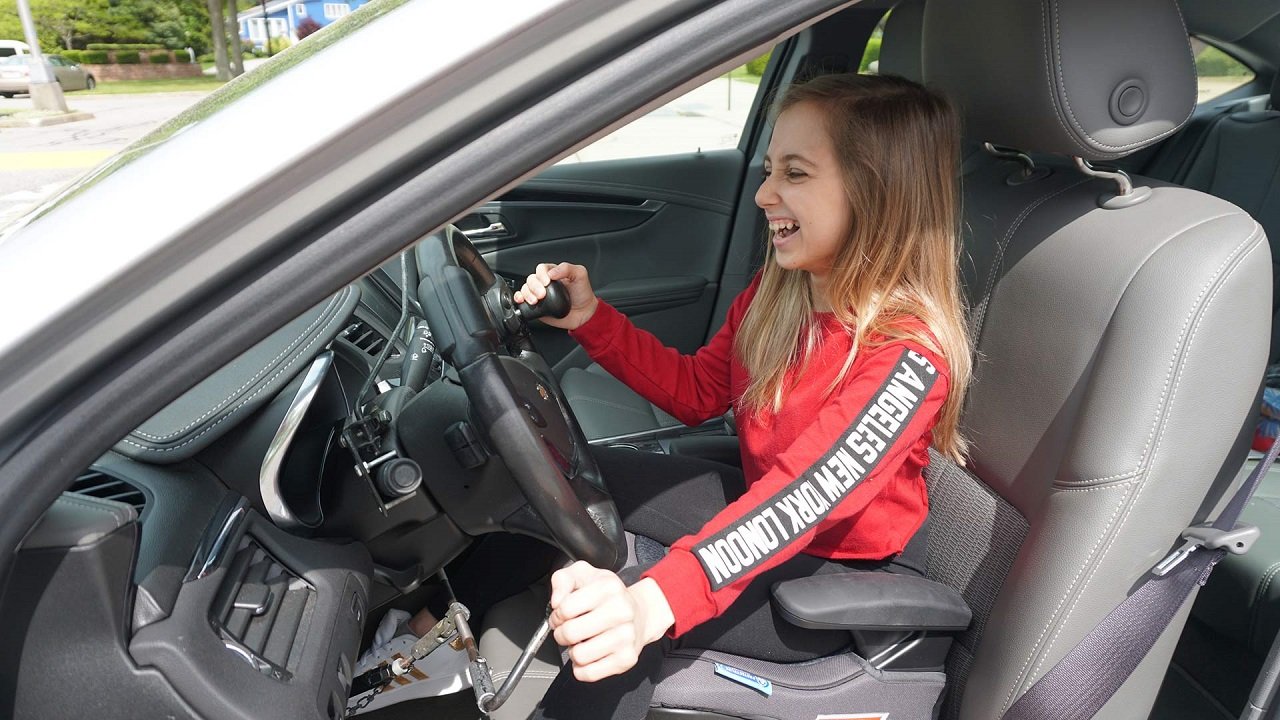
That alone mattered. Seeing Shauna on screen — dating, driving, arguing with her parents, laughing with friends — was representation that had not existed before.
What the Cameras Got Right: Her Voice, Unfiltered

Ask the show’s defenders, and they point to one thing above all: Shauna herself. She was never a passive subject. She corrected people on camera, pushed back when she felt patronized, and said the uncomfortable thing out loud.
She has corrected the record about the phrase that follows her everywhere, saying she is not stuck in the body of a child but “just a shorter statured woman.” In a podcast appearance, she summed it up: “I’m just a human being. I’m just short. I’m just a tiny person.” For this camp, the show’s achievement was handing a microphone to a woman the world kept talking over — and letting her talk back.
 YOU MAY LIKEThe Baby Cancer Battle That Made Her 3-Foot-10: Shauna Rae’s Full Health Journey
What Fans Say the Cameras Got Wrong
The other camp sees the same footage and reaches the opposite verdict: a show built around a woman’s height was always going to frame her height as the story, no matter how strong her voice was.
Critics argue that dating storylines and reaction shots invited audiences to watch Shauna’s life as a curiosity first and a person second. They point to the comments and assumptions that followed her after the show aired, and ask whether any TV exposure is worth that price.
The Plot Twist: Shauna Took the Story Back Herself

Here is where the debate gets interesting — because Shauna did not wait for TLC to decide her legacy. After the show ended, she kept telling her own story directly, without producers or a timeslot.
On TikTok, under @shaunarae99, she has built an audience of more than a million followers, speaking in her own voice and on her own schedule. According to reports, she has also used her platform to advocate for childhood cancer awareness. No network packaged those moments. She filmed them herself — and that, both sides agree, is the strongest evidence in the whole debate.
So, Help or Hurt? The Verdict Is Yours
Three years on, the honest answer may be that it was both. Television introduced Shauna Rae to millions who would never otherwise have heard her voice — and it also handed millions of strangers a reason to comment on her body. She survived both, and she is still telling her story on her own terms.
So now it is your turn. Team Help: TLC gave Shauna a voice the world needed to hear, and she turned it into a platform of her own. Team Hurt: no show was ever going to treat her as just a person, and the spotlight cost more than it gave. Which side are you on — and what is the one moment that proves it? Sound off in the comments.